Table of contents
Forgotten chargers and extra shoes are classic travel mishaps, yet the regrets that sting seasoned explorers most are often less obvious, and they tend to show up only once you are already far from home. In 2024, global tourism is back near pre-pandemic levels, with international arrivals expected to reach roughly 2019 volumes according to UN Tourism, and that return to the road is reviving an old lesson: the cost of a bad packing decision is rarely the price of the item itself, but the time, stress, and mobility it steals on the ground.
Airlines got stricter, bags got heavier
The first surprise for many frequent travellers is how quickly “standard” baggage rules stop being standard, especially as airlines lean on ancillary fees, tighter cabin policies, and more vigilant gate checks to protect margins. IATA figures show global passenger demand has continued to grow strongly, and airports have not become calmer as a result; in crowded terminals, cabin crews and agents increasingly enforce size and weight limits that were once loosely interpreted. The consequence is practical and immediate: that carry-on you used for years can suddenly be one centimetre too tall, and the backpack that felt light at home can cross the threshold once a laptop, a power bank, and a water bottle are added.
Experienced travellers often say their biggest packing regret is not “bringing too much”, but bringing the wrong kind of weight, namely dense items that sabotage agility, and trigger fees that can eclipse the cost of replacing a few basics at destination. A heavy, overfilled bag also becomes a safety and health issue; the World Health Organization has repeatedly highlighted how musculoskeletal strain is a common, preventable contributor to back pain, and anyone who has carried a badly balanced suitcase up stairs in a metro station knows how quickly that strain accumulates. The fix is less romantic than a capsule-wardrobe trend: weigh the bag before leaving, prioritise lighter fabrics, and treat “just in case” items as liabilities unless you can name the scenario and its probability.
Weather apps mislead, microclimates punish
“It said 18°C and sunny.” That line has become a travel cliché, but the regret behind it is real, because modern forecasting is accurate at the regional level while still vulnerable to the quirks that define a day on the move, from mountain valleys and coastal winds to sudden downpours that arrive between two train stops. The UK Met Office, NOAA and other national services have improved short-term forecasting markedly over recent decades, yet they also stress that local variability, and rapid shifts linked to terrain and sea influence, remain hard to capture in a single number on a phone screen. Seasoned travellers learn this the hard way in places where altitude changes fast, where evenings cool sharply, or where a “mild” day turns damp and windy once you step out of a sheltered street.
The packing regret here is often not forgetting a coat, but forgetting layers that work together, and pack down small, such as a light insulating mid-layer and a truly waterproof shell. Cotton, still overpacked by many, becomes a problem when it stays wet, and that discomfort can reshape an itinerary, pushing people into taxis instead of walking, or into indoor attractions instead of viewpoints. A more resilient approach is to pack for a range rather than a point forecast, and to plan clothing like a system: breathable base, warmth, and rain protection. The same logic applies to footwear, because blisters remain a top complaint among long-distance walkers and city-breakers alike, and a “stylish” shoe that cannot handle uneven pavement can turn a day’s plan into a negotiation with pain.
Souvenirs are easy, space is not
One of the most common late-trip regrets is not leaving room for what you actually want to bring back, and the irony is that the problem rarely starts with souvenirs. It starts with packing a suitcase as if you were moving house, then trying to wedge in a bottle, a handmade ceramic, or local food items that deserve protection. Tourism economics make the temptation understandable; travellers increasingly spend on experiences, but shopping remains a meaningful part of many trips, and in destinations with strong craft traditions the “one small thing” quickly multiplies. Then come the real complications: liquids are fragile, some foods are restricted at borders, and bulky items can force you into last-minute checked baggage decisions.
Veteran travellers increasingly treat the return journey as its own logistics problem, and they plan for it from day one. That can mean packing a foldable tote that becomes a personal item on the flight home, bringing a small roll of tape and a few protective sleeves, or simply leaving deliberate empty space. It also means understanding customs rules; within the European Union, for example, there are specific allowances and restrictions that vary by product category, and outside it the limits can tighten quickly. The smartest “souvenir strategy” is to buy earlier in the day, not minutes before a transfer, and to keep fragile purchases in a position where they will not be crushed by heavier gear. When a destination is known for its gastronomy and craft, it also helps to browse official travel resources in advance, including https://www.slovenia-spirit.com/, which can guide visitors toward regional specialities and reputable producers, and in turn reduce the risk of impulse purchases that are hard to carry and easy to regret.
Health and documents fail first, not clothes
Clothing dominates most packing lists, yet the items most likely to derail a trip are boring: prescriptions, insurance details, chargers, adapters, and the documents that prove who you are when something goes wrong. The European Health Insurance Card, where applicable, can simplify access to medically necessary care during temporary stays in the EU, but it is not a substitute for travel insurance, and many travellers only learn that distinction after an accident or an illness. Meanwhile, the growth of digital boarding passes and app-based reservations has created a new vulnerability: a dead phone, a lost device, or a locked account can suddenly strand you in front of a check-in desk, even when you “have everything” online.
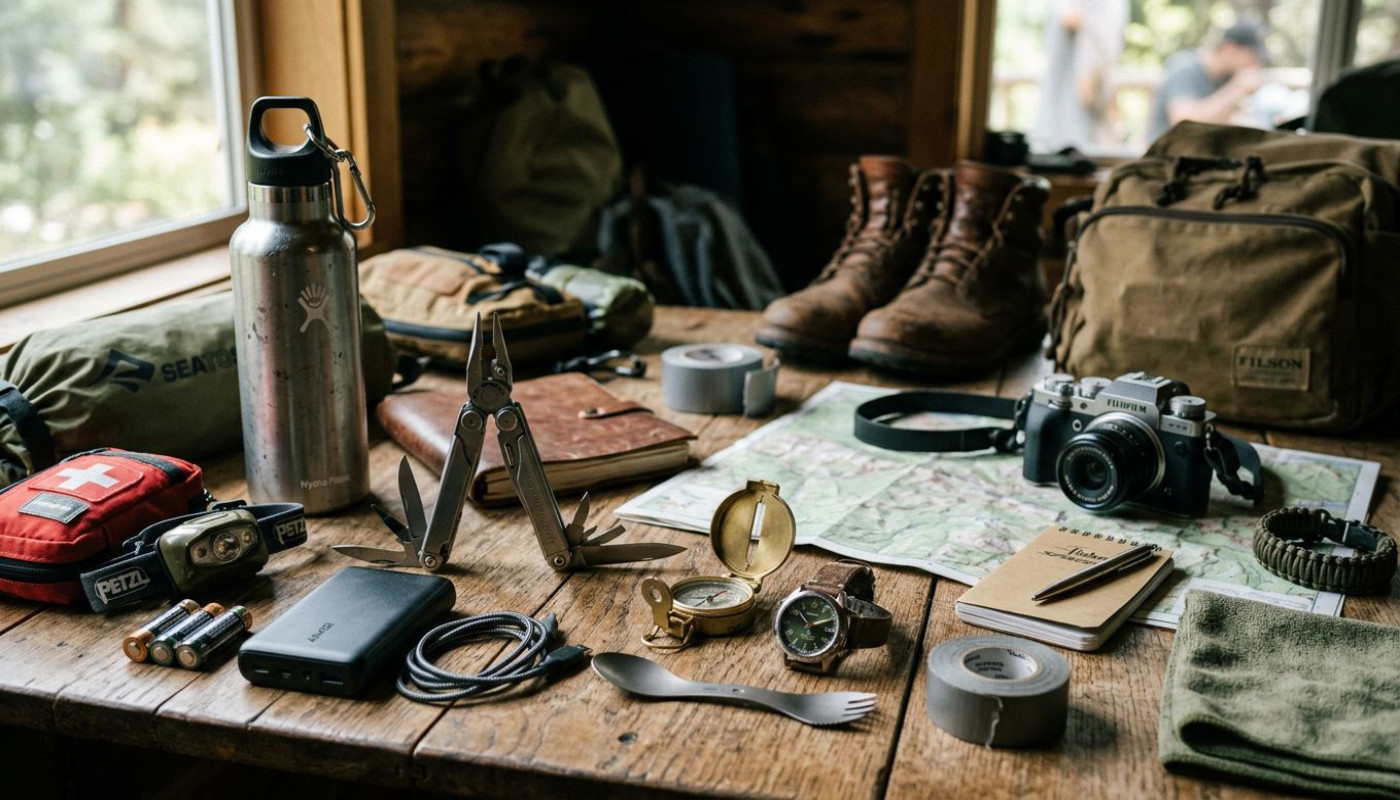
Seasoned explorers tend to pack redundancies for the essentials, not for outfits. They photograph passports and visas, store copies securely, and keep a printed page with emergency numbers, accommodation addresses, and key booking references, because batteries fail at the worst moments. They also travel with a small health kit that matches their real needs, including any regular medication in original packaging, a few blister plasters, and basics for pain and allergies when appropriate. The lesson is uncomfortable but simple: the most expensive item to replace on the road is time, and the fastest way to lose time is to arrive unprepared for a minor medical issue or a documentation snag. Good packing, in other words, is risk management dressed up as convenience.
Before you zip up, set a real plan
Book early when dates are fixed, and compare baggage rules before buying the cheapest fare. Build a packing list around layers, mobility, and the return trip, then weigh your bag at home. Budget for one checked bag only if you need it, and explore local or national visitor programmes that may offer discounts, passes, or seasonal support for transport and attractions.
Similar articles